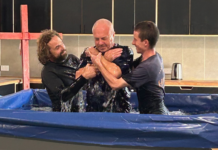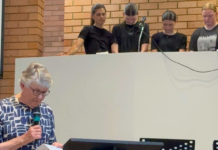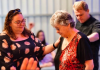



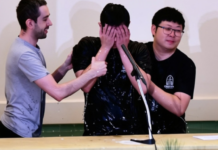

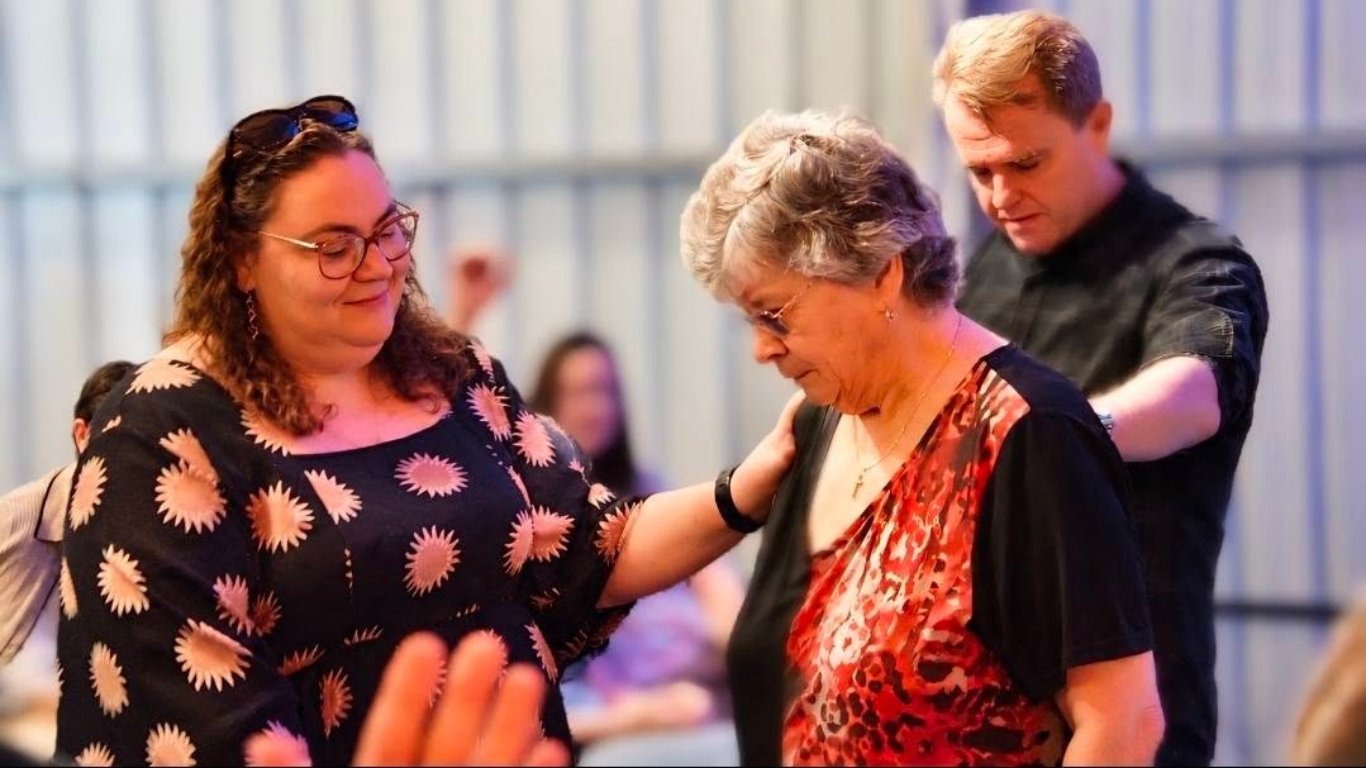
For weeks, Luca had been driving past H2O Church. A 24-year-old Italian raised in an atheist family, he had a dream in which he sensed God speaking to him and telling him to go to church. When he heard H2O was holding a Baptism Sunday, he called Pastor Nath Ranclaud and told him he was coming to be baptised.
On the morning itself, Luca made it as far as the front lawn but couldn’t bring himself to go in. A member of the congregation happened to step outside and encouraged him through the doors.
Luca’s story is one of many unfolding at H2O, where a simple decision to set dates for baptism has led to more baptisms than ever before.
Last year, H2O had no baptisms, and the team wasn’t sure why. Rather than waiting for people to express interest, they decided to build a regular rhythm of baptism services into the church calendar.
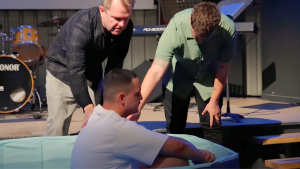 “So, for this year, we just planned a Baptism Sunday for each term,” explains Nath, “and sure enough, people started being baptised. You put it out there, you promote it, and it’ll happen.”
It’s a pattern that runs through the life of H2O: take a step of faith and make room for God to work before the need is obvious. The church employed a youth pastor when it had just three young people attending.
“We knew that if we waited until we had a lot of teenagers it would never have happened,” says Nath, “so we didn’t wait until we had people to baptise, we just set the date. Everything at church is like that. You start a youth group and you get more youth. You plan to set things up before there’s a need.”
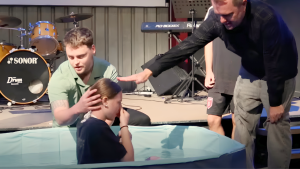 Setting dates in advance means people are invited to consider baptism, rather than the church waiting for someone to raise it. It also uncovered something unexpected: some long-term members had never been baptised. For people who had been part of the community for years, a scheduled Baptism Sunday offered a natural moment to take that next step.
The impact has reached beyond individuals to their families. Nath has seen how a date on the calendar gives people both a reason and a timeframe to talk about faith with relatives who might not otherwise raise the subject. Because baptism is tangible, it’s an easier conversation to start. Rather than asking an abstract or potentially intrusive question about someone’s faith, people can simply ask a family member whether they’ve been baptised, and whether they’d like to explore it. In some families, these conversations have opened the door to faith across generations, as children and grandchildren encourage older relatives to consider baptism.
The focus on baptism has also connected H2O with the wider community, including people with no Christian background at all.
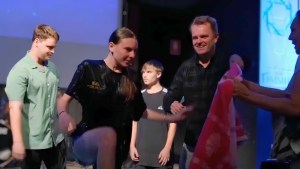 “We’ve even had people come in from the community where no one in the family was a Christian, they just had a religious or superstitious idea what baptism is,” says Nath. “I’m not going to fight the little bit of religiousness that people have.”
Instead of dismissing that early interest, H2O welcomes people in and makes space for them to discover more about Jesus.
Luca’s experience shows what that can look like. After weeks of driving past, a scheduled Baptism Sunday gave him a reason to make contact and a way to respond to what he believed God was saying. And when he couldn’t quite take that final step through the doors, someone was there to welcome him.
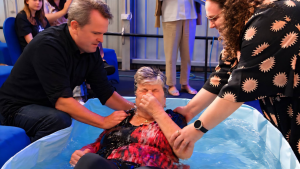 “God meets people when you go out in faith,” says Nath. “God loves the heart of faith and He rewards it. Rather than Baptism being the destination, for some it’s the entry way to faith. Something’s going on when someone wants to get plunged into water in a room full of people.”
Sometimes a step of faith means making room for something before you know who will come. At H2O, setting the date has helped people take their own steps towards Jesus.