










 Lily Low was born on 7 March 1880. Her parents were prominent Baptist and part of the Albion Church in Queensland. As a teenager, Lily came to faith herself and was baptised at her family church. She became deeply involved in the life of the church. In 1909 she married Rev William Higlett and quickly settled into the role of minister’s wife. Soon the couple left Albion Church, where Lily was honoured for her “devoting herself so lovingly to the work here for so many years” and presented with a gold brooch on behalf of the women of the church, and another on behalf of the Junior Christian Endeavour.
Moving to Grafton, Lily got involved in the work of Junior Christian Endeavour as she had done at Albion. She travelled with her husband to visit the outposts and townships along the Clarence River, ministering to the many women she met. Five years later, with their daughter Isabel, the family moved to Haberfield in Sydney. At the Calliope outstation Lily was given a personal farewell by the Sunday school, women’s fellowship, choir and Christian Endeavour.
The year before they moved to Sydney, William had accepted an appointment as General Secretary of the Baptist Union of NSW. Lily began serving on the Deaconess’ Association, the Women’s Home Missions Association and the Ministers’ Wives Union. Lily was asked to speak at women’s and girls’ associations around the state. She became was well known and respected as a leader of denominational women’s work.
Lily’s passion for overseas ministry also led her to became President of the Zenana Missionary Society in 1931, a support group for Baptist evangelistic and social work among the women of India. As President, she was given a seat on the NSW Baptist Foreign Mission Committee, and she was soon attending federal board meetings.
An important part of the Zenana work was the Senior Girls’ Missionary Union which split into a separate group in 1926. As President of the Zenana Society, Lily was leader of this group too. A year after Lily took office her daughter Isabel became the Treasurer. A key feature of their work was the annual camp, designed to educate young women about missions, encourage their support and challenge them to consider being involved in overseas mission. At its peak, the camp attracted over a hundred girls. Lily and Isabel worked together for these events and in visiting churches to promote the work.
Always practical, Lily contributed from her rich store of recipes to the Baptist Cookbook. Over the next few years Lily further expanded her activities to include organiser of meals at Baptist Assemblies, President of the Theological College Housekeeping Committee and Vice-President of the Australian Women’s Board. She also worked with the Sydney City Mission Kindergarten at Chippendale, assisting with Bible teaching and fundraising.
Isabel married young lawyer Mr Frederick James Church at Central Baptist Church in 1939, in a service conducted by her father.
On 7 June 1943, just four days after her first grandson, John, was born, Lily suffered a seizure and passed away. In a glowing tribute at the funeral service Rev John Deane, who was Baptist Union President at the time, said:
“This congregation and these flowers express the spontaneous and universal estimate of the whole denomination that Mrs Higlett has been for years the first lady of our Union. She has been the natural, God-given leader of our women, young and old. To the old, even those older in years, she was their own choice as sister and leader. To the younger, she was mother and guide. And she was this by reason of her intrinsic qualities. There was a worth and a weight of spirit and character which inevitably forced her to the front, though she never seemed officially to be in the front. The eyes of the women of the denomination instinctively turned to her for guidance and advice. We all felt that there was no need to worry if she was in charge of anything… Her rocklike qualities of conviction, steadfastness and sheer weight and worth of life made women know her as a safe and suitable anchorage, while a sweetness, simplicity and compelling sympathy drew them to her. Her influence over girls was almost magical.”
The official tribute of the Baptist Union Executive said that “her loss was irreparable, her worth of character was beyond praise and her complete surrender of life and will to Christ, her devotion and true humility and her natural gifts of leadership was what made her permanently fruitful in the service of God.”
Adapted from David Parker’s A True Pastor, The life of William Higlett
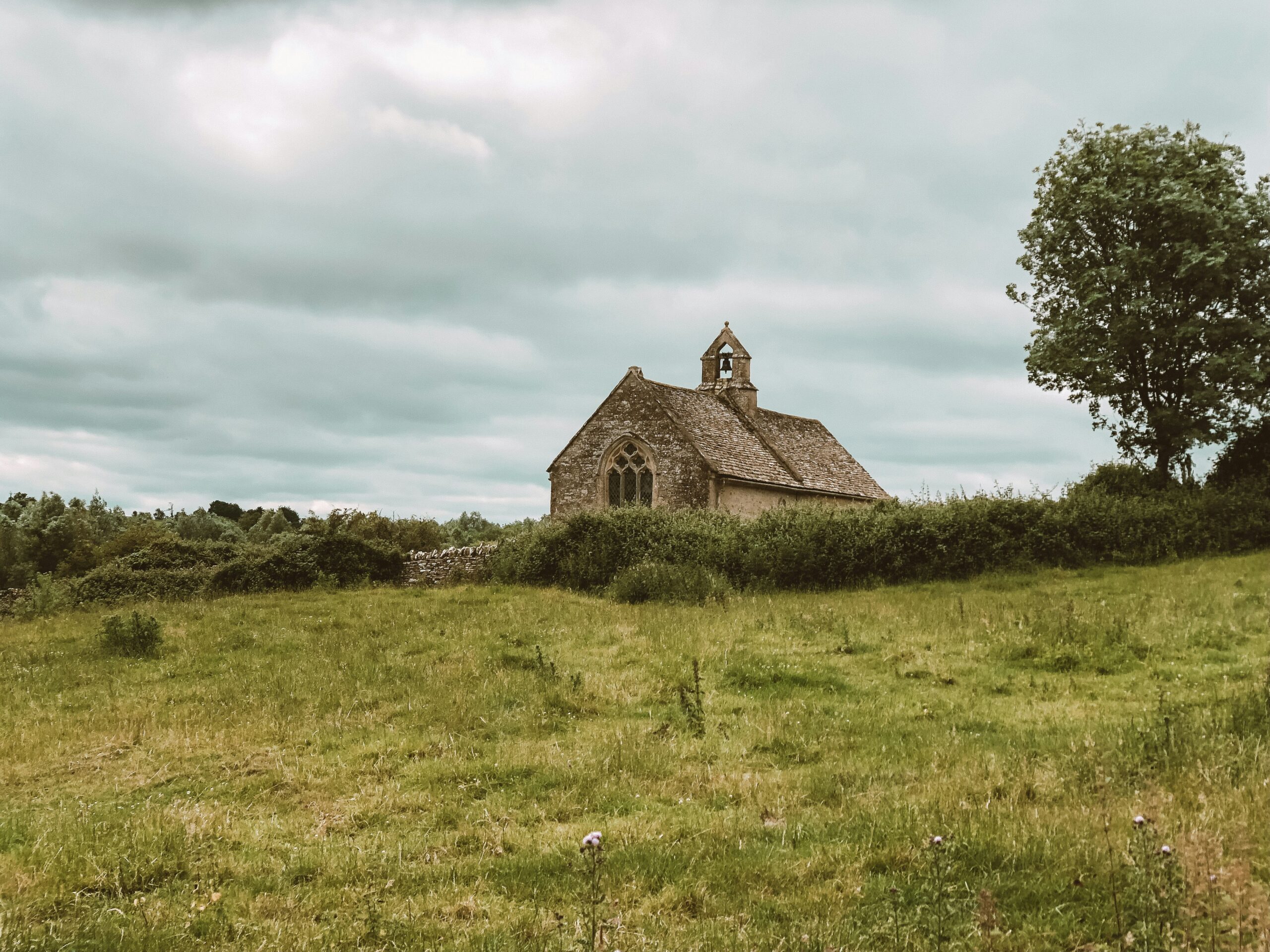
Photo by Michelle Tresemer on Unsplash